Wednesday, May 21, 2014

Productive Summer Projects

One of the many nice things about summer is the free time it gives kids to read about other lands and to broaden their interests. Younger children, 3 to 8 years old might like the following books:

  • Brush of the Gods by Lenore Look introduces Wu Daozi, a 7th century Chinese artist
  • Ruby's Wish by Shirin Yim Bridges tells about a Chinese girl who wanted to go to a university
  • The Fortune Tellers by Lloyd Alexander takes children to Cameroon to hear about a poor carpenter who tried unsuccessfully to be a fortune teller. Kids will really like the illustrations, too
  • Bravo, Chico Canta! Bravo! by Pat Mora and Libby Martinez shows how it helps to know more that one language, when a multilingual mouse saves his family that lives in a theatre
An elementary schooler may enjoy The Year of the Fortune Cookie by Andrea Cheng, a Chinese-American girl who visits China and sees the country from her perspective. Teens and young adults can be introduced to Russian history by reading The Family Romanov by Candace Fleming. Using pictures and text, she describes the country's last royal family. 
To find an extensive list of science-related books for various age groups, sample the collection compiled by the iINK Think Tank at inkthinktank.com.

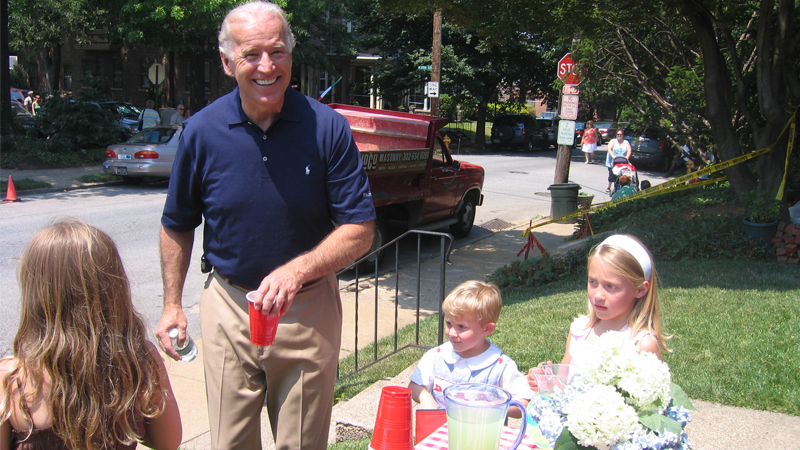
     Kids can escape the fate of some high school students in Wisconsin who didn't graduate with their classes, because they failed to fulfill their community service requirements by learning to help people and animals who are hungry, lonely, have a disease, or are suffering in some other way. Sometimes bringing a flower from the garden or cookies they helped bake on a visit will cheer a grandparent, neighbor, or nursing home resident. To reach beyond their communities to buy mosquito nets, school books, or vaccines, students can raise money for donations from a yard sale, lemonade or produce stand, or sales of jewelry or other crafts they have made. (See other suggestions in the earlier post, "Hope for the Future.)

     The following ideas for helping animals came from the World Wildlife Fund:

1) Young people with a summer birthday can ask guests, instead of presents, to contribute an amount equivalent to their ages to an animal cause.

2) If youngsters are competing in running, swimming, or cycling races this summer, they can ask friends and family members to donate a $1 per mile or lap to an animal cause.

3) Students can start writing a free blog (on blogspot.com, for example) about favorite animals: such as dolphins, sharks, tigers, wolves, monkeys, pandas, and ask blog viewers to contribute to an animal rescue or conservation organization (Some of these organizations are mentioned on the earlier blog post, "Talk with the Animals.)


Tuesday, May 6, 2014

Back to the Land

The world needs food. Too many are starving, and too many are unemployed. As summer approaches in the Northern Hemisphere, it is the perfect time for kids to discover the art of farming, not only to feed their families, but also to earn money. Whether at a roadside stand, farmers' market, or open bazaar, there is income to be made by selling vegetables, herbs, fruit, plants, flowers, and seeds. A youth group, for example, grows tomatoes and peppers in a community garden, cooks them, and packages salsa for sale. A bride who wanted her reception to be filled with sunflowers paid neighborhood youngsters to grow them.

     Farming can be simple or sophisticated. There are ready-made kits that include the proper seeds and soils children need for indoor gardens of basil, parsley, thyme, and other herbs that can be used in cooking. These kits come with directions for the amount of light and moisture plants need. Usually plants need 12 to 16 hours of light a day near a window, but strong, prolonged sunlight is harmful. It is a good idea to turn plants around once a week, since they will grow lopsided toward the light otherwise. The best water for plants is tap water that has been left out overnight to reach room temperature and to let some of its chemical content evaporate. Adding eggshells to the water left out overnight enriches the solution.

     It also is fun for children to try to grow a plant from plump apple, lemon, orange, or grapefruit seeds that have been washed and dried. Begin by covering the drainage hole in a 4-inch flowerpot with a thin layer of clean small stones and adding about 2 cups of potting soil up to an inch from the top of the pot. (It is possible to remove insects and disease from any outdoor soil by spreading it in a pan, heating it in an oven at 180 degrees for a half hour, and letting it cool.) Lay several seeds of the same fruit on the soil, cover with 1/4-inch of soil, carefully water with room temperature tap water and repeat when needed to keep soil moist, place in a sunny spot, and see if sprouts develop in 3 weeks or longer.

      At the end of the earlier post, "A Healthy Environment," there is a detailed description for growing an outdoor garden. According to the National Gardening Association, about 40 million households in the U.S. are growing herbs, vegetables, or fruits, because they want to save money and to raise healthy, organic produce. In an item in the AARP magazine (August/September, 2014), frugal living expert Erin Huffstetler claimed many fruits and nuts are very easy to grow and that there are varieties that suit almost any climate. In particular, she mentiond raspberry, blueberry, and strawberry plants, red seedless grapes, cherry bushes, and almond trees.

     In a backyard or community garden, planting a mixture of crops and flowers discourages the pests that like to feast on one particular plant, and using compost cuts down on the need for and cost of using synthetic fertilizer. Using compost, other natural fertilizers and pesticides, mulch, hand-weeding, crop rotation, and earthworms, it is possible to feed the soil, reduce pest infestations, and manage weeds without pesticides, fungicides, herbicides, or other chemicals. (At the end of the earlier blog post, "A Healthy Environment," How Does Your Garden Grow? describes the composting process.) African subsistence farmers even have increased yields by composting and reducing the need for pesticides by growing diverse crops.

      Iroquois Valley Farms in Illinois has come up with a way to help farmers, at any age, become organic farmers. Before leasing a conventional farm of at least 80 acres to a tenant, it takes three years for a diverse rotation of crops and earthworms to rebuild soil fertility naturally. After seven years, Iroquois Valley Farms offers the new organic farmer a purchase option.

     School projects often lend themselves to farming experiments. Water one part of a garden at night and one during the day to see which plants thrive best. Take a photo of each plot. Supposedly, since less water evaporates at night, that section should look better. Or weed one section and not another. Plants that share water and soil nutrients with weeds should be smaller. Over several years a student could document the effect of rotating crops by planting the same crop over and over every year in one section of a garden and, in other years, alternating that crop with different ones, even flowers, in a nearby section of the same garden. If there are trees on the southern and western sides of a building, see how much cooler the temperature is there compared to the temperature on the other sides of the building.

     Experiments with cross-breeding are not new to farmers who have wanted to deter pests, increase yields, and produce crops that tolerate drought, floods, and soil contamination by salt water.The fast growing, high yield rice strain credited with preventing famine in India was the result of cross-breeding a dwarf strain of rice from Taiwan and a taller variety from Indonesia. What is new is the ability to identify the DNA marker or markers in seedlings with desirable genes and to use marker-assisted breeding to produce high yield and other specialized crops. It should be noted, however, that U.S. Department of Agriculture standards do not permit organic farms to use genetically modified hybrid seeds.

     Companies, such as Monsanto and DuPont, have profitable seed patents on genetically modified seeds that grow corn, soybeans, and cotton. Before the U.S. pressured Sudan to expel Osama bin Laden in order to purge the country of involvement in al-Qaeda's terrorist attacks, he used to invite visitors to the laboratory where he was developing high quality seeds appropriate for Africa. According to Lawrence Wright's book, The Looming Tower, bin Laden claimed the Dutch had a monopoly on the best banana pods, and he thought Muslims should devote similar diligence to the process of genetically engineering plants.

     Whether children live in the city or the suburbs, they can develop an appreciation for how farmers around the world produce the food they eat. An earlier post, "The Bees and the Birds," tells how the pollination process for producing fruits and nuts relies on bees. Why do radio stations like WGN have farm reports telling how much soybeans are selling for? Farmers who know corn is going for $6 a bushel figure the cost of growing a bushel of corn to see if they can make a profit. (An earlier post, "Dairy Cows on the Moove," discusses the costs and income of cows.) Children cannot see the sensors embedded in some fields that monitor when water is needed or the drip irrigation methods other fields use to prevent water loss to wind, runoff, and evaporation. But on a drive in rural areas, they may see the long arms of machines irrigating a dry field. At petting zoos, kids can get up close to goats, and at state and county fairs, they can see prize winning animals and produce. In fall, they might visit a farm for a hay ride or walk through a corn maze.

     Away from video games and trash littered highways, in the country, children and adults come face to face with their interrelationship with the natural environment.

Wednesday, April 23, 2014

Infection-Killing Bugs and Antibiotics

Children who like to look under rocks for bugs (See the earlier blog post, "The Bees and the Birds.") have company in the scientific community that is searching for microbes to cure drug-resistant infections from bacteria and fungi in patients all over the world.

     According to an article by David Wahlberg in the Wisconsin State Journal (April 14, 2014), soil-based microbes produced miracle antibiotics after World War II. In Alexander McCall Smith's book, The Minor Adjustment Beauty Salon, for example, a character in Botswana, Africa, attributes cures to the kgaba plant. But recent soil-based research keeps rediscovering the same antibiotics.

     Consequently, kids can get in on the search for ants, beetles, bees, wasps, termites, sponges, and sea squirts that have found new microbes in bacteria that could act as antibiotics in humans.

     At the moment, the U.S. National Institutes of Health is funding a $16 million, five-year study to discover bugs, marine life, and other species that could help produce the drugs needed to treat staph and other infections. (An earlier blog post, "Medical Profession Suffers from International Conflict," tells how blue light phototherapy is being used to treat staph infections.) In January, 2015, the teixobactin antibiotic which has been shown to foil infection resistance passed animal tests without side effects.

     Young people interested in helping collect specimens or in doing a project involving the development of antibiotics from new microbes might get in touch with:
     Dr. David Andes, Chief of Infectious Diseases at the University of Wisconsin School of Medicine and Public Health in Madison, Wisconsin
     Cameron Currie, a bacteriology professor at the University of Wisconsin in Madison, Wisconsin, who is doing research in Florida, Wisconsin, and possibly in Hawaii
     Tim Bugin, assistant professor of pharmaceutical sciences at the University of Wisconsin in Madison, Wisconsin, who is doing research in Puerto Rica and the Florida Keys.

     Also see the later posts, "Global Search for New Antibiotics" and "Bacteria Talk to Each Other."


Thursday, April 10, 2014

Respect the Faith

In this holy season, while Jewish people are celebrating Passover and Christians are about to recall the Resurrection of Christ on Easter, it might be a good opportunity for children to think about the need to respect the holy days of all religions. Freedom to exercise an individual's religion was considered a right important enough to be written explicitly in and guaranteed by the First Amendment of the U.S. Constitution. Students may know Muslim classmates who are free to attend religious services on Friday, Jewish children who go to their temples on Saturday, or Christian children who attend church on Sunday. They can ask friends about holy days they may not celebrate, such as the beginning of the Muslim holy season, Ramadan, on June 28, 2014, or the Jewish Day of Atonement, Yom Kippur, on October 4, 2014.

     Learning about foreign countries is not complete without learning that followers of different religions are concentrated in certain parts of the world. Africa has both Christians and Muslims; Asia has Muslims, Buddhists, and Hindus; most Christians are in Europe, Latin America, and North America; the Jewish population is concentrated in Israel and the United States. It is all too easy for those in the majority who practice one religion in a country to oppress the minority. In Syria, the Christian minority suffers at the hands of the Sunni Muslim majority, and in Egypt Islamist mobs have destroyed Christian churches, orphanages, and businesses, according to TIME magazine (April 21, 2014). While a quarter of the Middle East's population was Christian in 1914; fewer than 5% are now Christian, since Christians left to escape harassment and physical violence. Given the usual inclination of a majority to dominate a minority, it is commendable to see that Pakistan and Sri Lanka recognize their countries' minorities on their flags (See the earlier blog post, "A Salute to Flags.").

More details about major religions can be found in the earlier blog post, "This We Believe."

Monday, March 24, 2014

Medical Profession Suffers from International Conflict

Dr. Chukuka Enwemeka, Dean of the University of Wisconsin's College of Health Sciences in Milwaukee, Wisconsin, has discovered phototherapy with blue light can destroy the super bug that prevents antibiotics from killing staph infections from methicillin-resistant staphylococcus aureus (MRSA). Blue light has been shown to kill more than 90 percent of two strains of MRSA, and repeat treatments have killed 100 percent.

     According to Dr. Enwemeka, "phototherapy has been around for decades." Why has it taken until relatively recently for this therapy to be used more frequently? Western scientists were suspicious, Dr. Enwemeka said, because "Much of the research on phototherapy started in Eastern Europe and the Soviet Union during the Cold War."

Friday, March 21, 2014

Who Needs International Expertise?

Public health and the hunt for Malaysia Airlines Flight 370, which disappeared March 8, 2014, (and the later search for Air Asia Flight 8501, which crashed into the Java Sea on December 28, 2014) demonstrate how global problems require cooperation of experts in a wide variety of disciplines.

     Not only does disease involve those versed in the biological complexity of the causes, cures, and prevention of a multi-country Ebola, flu, or Zika virus epidemics, but it also requires precautions by those involved in all aspects of transportation. Urban design and environmental science also can have an impact on how diseases are transmitted throughout the world.


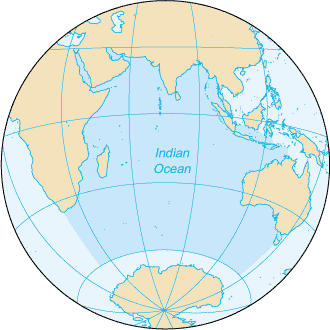
      In the case of Flight 370's disappearance, lack of coordination between countries confused the search effort for at least three days when 12 countries were flying nearly 40 planes and navigating as many ships in an area east and west of Malaysia. When military and civilian personnel began sharing speculations and data about radar soundings, satellite photos, and debris sightings, the search area shifted to 1500 miles off the west coast of Australia and then an area to the northeast that was closer to Australia and in a less turbulent spot in the Indian Ocean.

Even with 26 countries involved in the search, as of September, 2014, there was still no trace of the downed plane. It was not until July, 2015 that the first wreckage from Malaysia Flight 370 turned up on the French territory of Reunion Island, off the east coast of Africa east of Madagascar. Another possible piece of the lost plane was found between Madagascar and Mozambique in March, 2016. (Debris from the tsunami that hit Japan in 2011 continued to reach Alaska four years later in 2015.) Since Madagascar is far west of the area near Australia, where the plane was thought to go down, weather and ocean current experts will help pin point where the plane might have run out of fuel. Even before the plane has been located, underwater experts have joined the mission to map the mountainous ocean floor. Despite this massive international search, after nearly three years the airplane had not been found and the search was discontinued on January 17, 2017.

The disappearance of Malaysia Airlines Flight 370 also has led to trials of new ways to track aircraft flying over ocean expanses. In a report submitted to the International Civil Aviation Organization (ICAO), a test of the global satellite communication system developed by UK firm, Inmarsat, showed it was possible for aircraft flying over oceanic airspace to report position, speed, altitude, and direction every 14 minutes at a minimal or neutral cost.

The number of people and variety of disciplines required to solve a crisis brought on by disease or a plane crash illustrates how tasks involving international cooperation are not limited to diplomats. To see how many kinds of research can involve an international effort, check out the later post, "Calling All Space Sleuths."

Friday, March 7, 2014

Summer "Vacation" Projects

Older teens 16 to 19 years of age, maybe as many as 60% of them, have figured their futures will be better served by attending summer school or participating in sports and clubs, rather than working in a minimum wage job. Although such choices probably feel like heresy to parents and teachers who spent their summers as lifeguards and waitresses at resorts, working construction, or going from office to office as temps, young people who spend their summers focusing on opportunities that will lead to a career, especially a career with an international application, could be less likely to boomerang back home because they cannot find a job. As reported in the World Future Society's March 2014 issue of The Futurist, the analysis of older teens by Gray & Christmas can be interpreted to suggest summer vacation is an excellent time to help young people do some career planning and preparation.

     Where should students look for career-related summer programs and internships? Local colleges and universities, churches, 4H (even in urban areas), zoos and humane societies, children's, art, and other museums, libraries (in addition to programs, read biographies, self-help and special interest books), schools devoted to the arts (music, theatre, dance, art, fashion design), newspapers and magazines, fitness centers and gyms, YMCA and YWCA, Boys and Girls Clubs, professional and amateur sports teams, social service societies (Rotary, Kiwanis, Knights of Columbus), local, state, and federal governments, scout troops, political parties and candidates, camps devoted to a particular career, such as computers or space (See the earlier blog post, "Space Explorers.").

     Whether it is a Pillsbury Bake-off recipe or a winning photograph, contests are another summer activity that can lead to recognition and a future career. Contests are mentioned in a number of earlier blog posts: "Take Your Best Shot," "Young Voices," "Work Around the World," "TED Talks for Teens," "Robot Revolution," "Dairy Cows on the Moove," "A Healthy Environment."

     And don't ignore do-it-yourself projects: planning and planting a year-round sustainable garden (See the earlier blog post, "A Healthy Environment."); organizing a yard sale or running a lemonade stand with attention to pricing, display and advertising; using video or a vine to tell a story; planning the best cost-effective virtual foreign trip by watching exchange rates in a number of countries (See the earlier blog post, "When to Buy/Sell in the World Market."); subscribing to the World Edition of littlepassports.com in order to receive a monthly letter about a country visited by fictional "Sam and Sofia"; charting the weather (See "Climate Control."); or counting bees (See "The Bees and the Birds.").

     Whether they learn Hindi, how to coach soccer, or the value of a ruble, summer presents an opportunity for students to position themselves for employment in the global marketplace. After all, according to trendwatching.com, the global culture sees "consumers from nine to 90, from Chicago to Bangkok" using the same smartphones, eating sushi, and wearing the same sneakers.