Showing posts with label sustainable. Show all posts

Thursday, April 19, 2018

Fashion in Today's Political Climate

The political climate dictated the suit President George Washington wore to his first Inauguration. Rather than fabric imported from England, his three-piece brown suit was made of woolen broadcloth woven in the new United States. Centuries later, Dior marked the end of rationing after World War II by using yards and yards of fabric in his long, voluminous skirts.

     In today's political climate, a wide variety of elements cause heightened global concern for fashion's marketers and consumers. They are expected to pay attention to their social and environmental responsibilities. Among these concerns are: employment of marginalized workers at fair wages, working conditions, landfill waste, water consumption and chemical contamination, air pollution, energy usage, and animal welfare. To deal with these concerns, brands are developing standards they expect members of their supply chains to meet. Standards might require the use of:

  • Fair labor practices outlined by the International Labour Organization
  • NO restricted chemical substances, such as sunscreens that contain the oxybenzone that harms coral reefs; and NO animal fur or exotic leather
  • Organic cotton and recycled materials
  • Humane methods for obtaining down, fur, and wool
  • Resource-conserving farming and manufacturing practices in terms of water, energy, and chemical usage
Suppliers that fail to meet supply chain standards are not used. Of course, standards are meaningless unless companies empower inspectors to monitor and confirm compliance. Also, bad publicity for any supplier in a chain reflects poorly on the final product and a consumer's willingness to buy it.

     How do consumers know if the products they purchase conform to the standards they support? Besides seeing good and bad publicity, advertising, sales promotion offers, and reviews by other consumers, shoppers check labels for such things as the percentage of recycled material used, faux fur, and which countries they prefer to make their clothes. They notice if marketers give back to the community in service and donations to charities. But they also shop for products marketed by vendors and organizations, such as: Sudara (sudara.org) Punjammies sewn in India by women rescued before they are lost to the sex trade; Combat Flip Flops (combatflipflops.com) shoes, clothing, and jewelry (made from melted unexploded ordinance-UXO) by local entrepreneurs in conflict zones; SERRV (serrv.org) and Novica (novica.com) clothing and handcrafted jewelry; and the World Fair Trade Organization (WFTOMarket.com).

     From May 21 to May 25, 2018, the Sustainable Apparel Coalition will meet in Vancouver, Canada, to urge wider use of its HiggIndex hang tags that assign numbers, the higher the better, that represent how eco-friendly garments are.

Tuesday, December 15, 2015

What Are You Wearing in the New Year?

As celebrities walk the red carpets at the Golden Globes, Oscars, and other award shows, reporters ask them who they are wearing, and designers look forward to the publicity they receive from their answers.

     I once heard that President Kennedy's wife Jackie answered the who-are-you-wearing question by saying, "Mine." At every age, we all do say something about ourselves when we get dressed. Think about it. Pictures and sayings on T-shirts might tell what comic book or TV show characters a child likes. These shirts can proclaim, "Future Scientist" or "Daddy's Little Girl."

     Clothes also can be uniforms that show students attend certain schools, march in bands, or play on various teams. The earlier post, "Recess Differs Around the World," shows uniforms worn by students at various schools around the world.

     Judging from photos of men at conferences on climate change or G-7 meetings, world leaders in their dark power suits and white shirts also wear uniforms. Women leaders do too. An article about German Chancellor Angela Merkel, Time magazine's "Person of the Year," told how she presented then US Secretary of State, Hillary Clinton, with a framed copy of a German newspaper with the headline, "Angela Merkel? Hillary Clinton?" The photo accompanying the article showed both women wearing blazers and black slacks. (Their heads were cropped off.) Now that Mrs. Clinton is running for President, she has adopted a new style that older women might begin to copy. Interesting collars and cuffs accent her longer jackets, and she wears pants that are the same color as her jackets.

     Some US school girls have begun wearing hijab head scarves in solidarity with their Muslim sisters. Italian design house, Dolce & Gabbana, has launched a new collection of fashionable hijabs and long abayas for its Muslim and other customers. When I saw Paul Ryan, the new Speaker of the US House of Representatives growing a beard, I thought he might be showing his solidarity with the billion-plus Muslims who are not terrorists, but I learned he was imitating Joseph Gurney Cannon, who was the last Speaker, over 100 years ago, who had a beard. (You can check out the beard of Cannon, Speaker from 1903 to 1911, on the Internet.)

     When students grow older, they may decide to protect animals by not wearing fur or to protect the environment by wearing graphic T-shirts that invite others to "Save the Arctic." (See the earlier post, "North Pole Flag.") A wide variety of the sustainable clothing options now being developed will be available to youngsters in the future. Leftover high-quality luxury yarn that is insufficient to produce a full line of clothes is already being combined into sweaters that can last a lifetime. Clothing manufacturers are exploring ways to make zero-waste garments from recycled materials (See the earlier posts, "The World of Fashion" and "Recycled Fashion Firsts.") and to create new disposal methods that do not add to landfills. Waste-reduction groups are urging consumers to treasure and repair their garments rather than throw them out.

     When I worked in retail, I used to tell customers, who couldn't seem to find anything they liked, that sometimes you need to shop in your closet. Babies, for example, often are baptized in outfits their parents, and even their grandparents, wore for their baptisms. What kids wear next year may be a combination of something they, or their parents, already own.


Wednesday, February 18, 2015

New Fashion Evidence of Climate Change

How does China fight pollution?

     Embarrassed by smog, China is blocking the Under the Dome documentary, about the social and health costs of pollution, from the country's major websites.

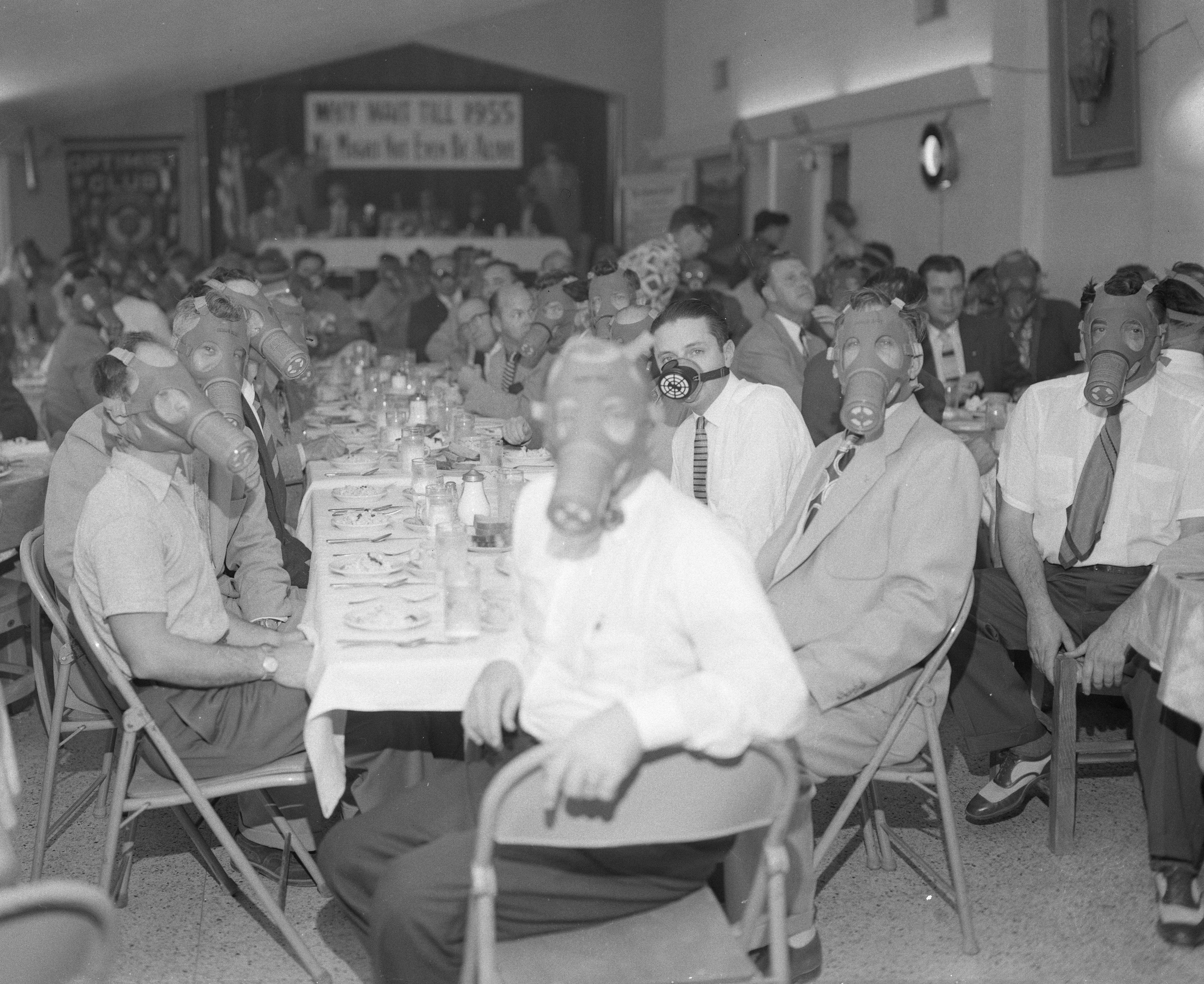
     The Qiadan Yin Peng Sports Wear Collection took a different approach by showing new smog mask fashion accessories (unlike the ones shown here) that were color coordinated in black, clear, and silver with their catwalk ensembles during Mercedes-Benz China Fashion Week in February 2015.

     You can get the latest news about eco fashion, sustainable style, organic beauty, and ethical apparel by going to Ecouterre.com to subscribe to the free Ecouterre newsletter.

     Additional information about pollution in China can be found in the earlier blog post, "Let's Visit China."

Thursday, January 22, 2015

Fashion As A Cottage (and Sustainable) Industry

Kids make beaded, rubberband, and knot bracelets at home. Adults make a living selling handmade wedding dresses, posters, furniture, and other items on the Etsy website (etsy.com).

     In Pakistan, a fashion house has revived the 18rh century European "putting out" process in which textile entrepreneurs brought wool and flax to rural families who supplemented their farm incomes by turning raw materials into yarn and cloth. Using air and courier delivery systems, Pakistan's Shubinak, whose parent company, Looptex, is certified as a Global Organic Textile Standard (GOTS) manufacturer, sends samples, embroidery thread, materials, and color swatches to rural artisans who return finished goods for sale online and through outlets in Pakistan and Canada. In a month, households earn anywhere from 51 to 205 British pounds. Shubinak also has plans that go beyond engaging its artisan suppliers in piece work. The company aims to provide 5000 artisans with entrepreneurial skills and to invest in healthcare and childcare facilities.

     Artisans trained in needlework and design by India's Self Help Enterprise (SHE) charity benefit from sales in London thanks to Buqa Woman, the not-for-profit unit of Buqa Couture. Money from sales of the SHE collection returns to India to fund women's education, village infrastructure projects, and welfare.

     Recognizing that women make up 80% of garment workers worldwide, GAP developed the Personal Advancement and Career Enhancement (PACE) program that involves women in a variety of leadership, financial literacy, and legal training modules. From its initial program at India's garment manufacturer, Shahi Exports, GAP has taken 25,000 women through the PACE program at its affiliated factories around the world. Working with CARE International and Swasti-Health Resource Center, PACE now has gone beyond factories and into communities in Cambodia and India. Next, the program is scheduled to expand into Bangladesh, Haiti, and Indonesia.

     By going to theguardian.com/sustainable-business/fashion, you can check up on fair business practices in the fashion industry and sign up to receive an exclusive member newsletter. You also can read about the Guardian's 2015 contest to find businesses that make a profit by helping people and the planet. Entry deadline is February 13, 2015.